Saturday, 20 February 2016

Thailand

 Eastern Marsh Harrier.

 Steppe Eagle [juv].

 Steppe Eagle [same bird],

Long-tailed Shrike.

Just a few more shots, I'll go through all of them eventually, honest. See you !

Friday, 19 February 2016

Thailand


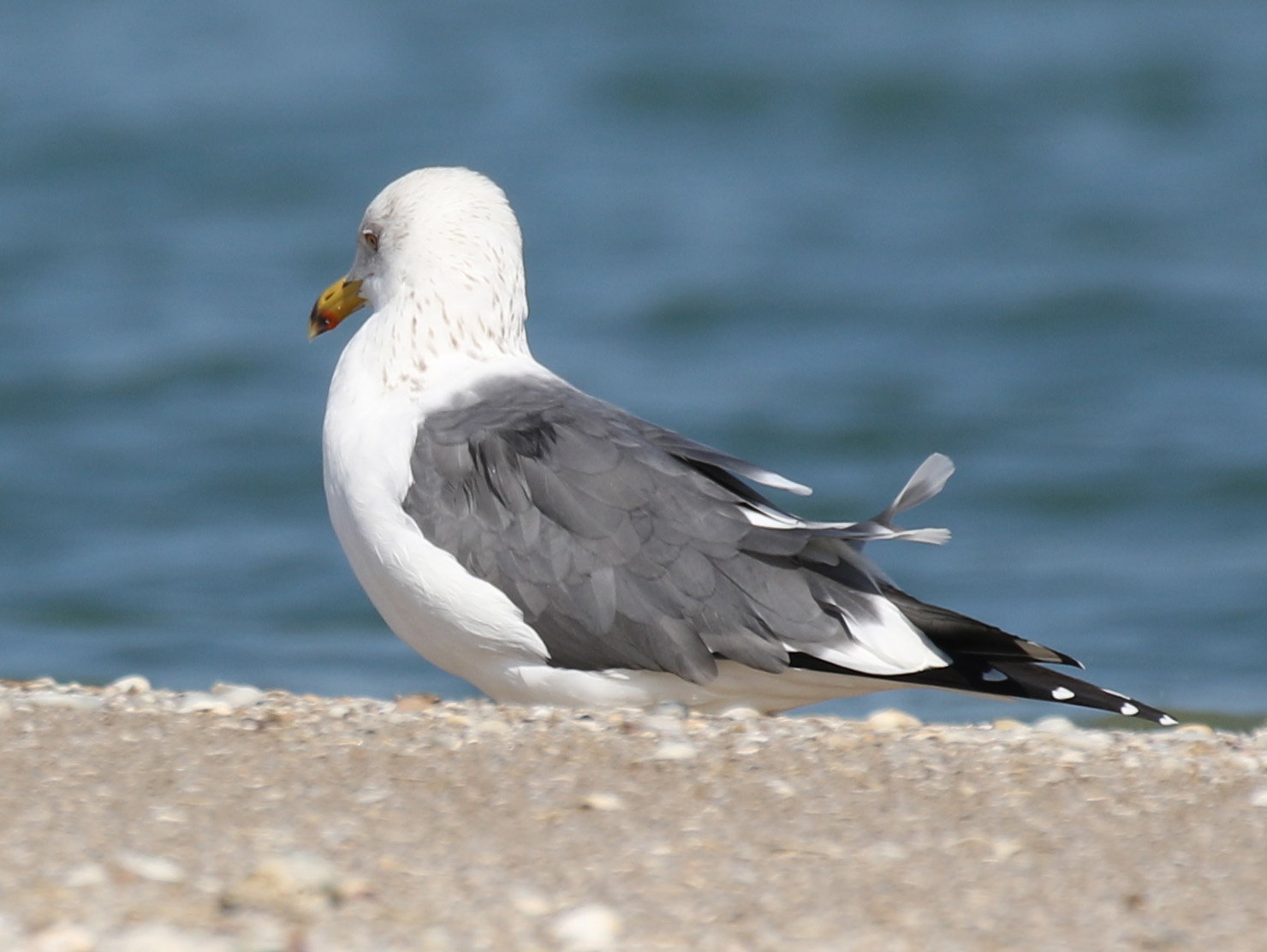
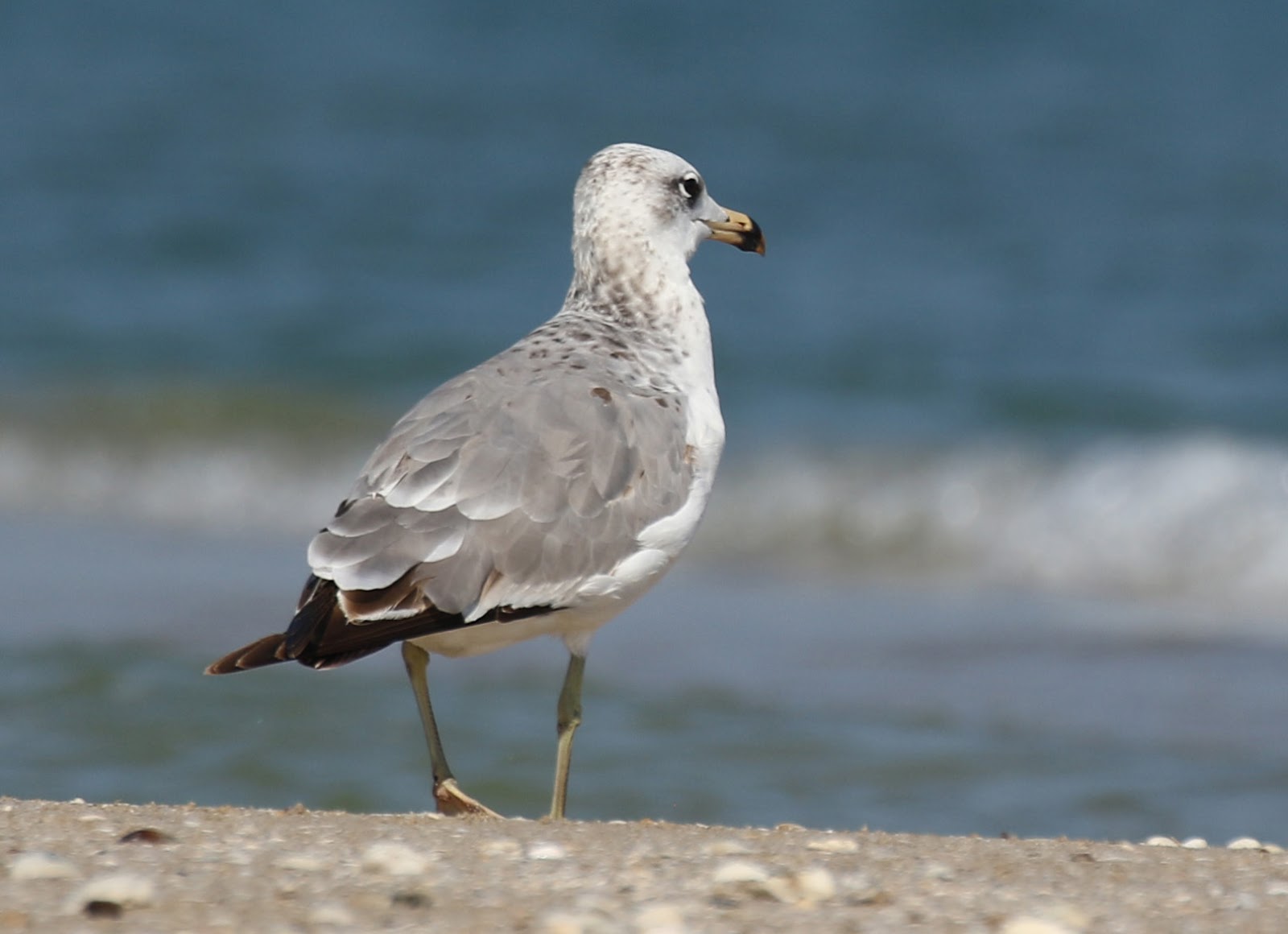
2 views of The Gull, the longer I look the more Heuglin's it becomes, but I'm open to persuasion, honest.

2nd winter Pallas's Gull.

Sorry I'm late posting but I've had a really bad dose of Bronchitis, my first day out yesterday, a trip to the Co-op and now my mum is down with it. The best part of my illness has been the sweaty hallucinations which included sharing a bed with Rob's mate, the Mad Spitting Dutchman. Oh! I've been receiving strange email requests for signed copies of my battle with the giant ant, I'll remember this Bevan. I'll go through the rest of images asap, hope everyone is ok, oh by the way where are my birthday presents?


Thursday, 18 February 2016

Microfungi

Thanks to Mark, I've caught up with the two Ash key fungi, the dark Bramble smut, Appendiculella calostroma, and the Hern Robert based Coleroa robertiani. I've also caught up with the Dock rust Puccinia phragmitis.

I've also found/identified a new Liverwort for my list - Forked Veilwort Metzgeria furcata which now I've found it, is proving to be quite common on trees .


Microscopic Incident

On Sunday, I collected a cup of a Sarcoscypha Sp (Scarlet/Ruby Elfcup) in order to identify it. Examining the spores and tomentum, yesterday, it proved to be S. austriaca again, which given that it was growing in a willow thicket, wasn't really a surprise.

I cut some sections, to form a squash, for the purposes of examining the tomentum and in the sections could be seen a few of the tens or hundreds of thousands of spore shooting tubes (asci) that the ascomycete fungi have and from which they derive their collective descriptive epiphet, 'Spore Shooters'.

The asci (spore shooting tubes) with their ascospores can be seen embedded
in the pinkish mass of fibres which makes up the inner red part of the cup.


Panning about, I found this ascus which had separated from the flesh and was fully exposed.

The ascus with its cargo of ascospores, prior to discharge. x200

 Hand holding my digital compact to the eyepiece, I took a couple of unremarkable photos,  and then changed to my measuring eyepiece to measure it. That done, I looked away to grab my camera for another shot, with the graticule in place, but when I lined it up on the eyepiece, I could see that something had changed. I took the photos, then took a look through the eyepieces. The ascus had gone from its position in line with the graticule scale and was now lying at the top of the field of view, completely empty , its outer end torn open, while down at the bottom of the field, lay a couple of ascospores, the rest being outside of the field of view.

A few seconds later, it is empty and had been shot to the top of the field.
A couple of the ascospores it once contained lie at the lower end of the scale.


In the five seconds or so it took me to pick up my camera and line it up with the eyepiece, the ascus had violently discharged its contents, just as it would have done in nature, but in that case, instead of water, it would have shot them into the air, to be distributed by air currents.

Monday, 15 February 2016

Poor Spider

The glorious sunshine yesterday, enticed out into the fresh air, to square bash a few microfungi, so I found myself at upper Tirfounder fields for a few hours. I succeeded in finding my target species and collecting a few specimens to identify. The birdlife was a bit sparse, the highlight being a calling Cetti's Warbler, which didn't show itself.
I moved on from there to Martin's bit of Robertstown, to hopefully get the same handful of fungi there. On my way in, I saw and heard my first Willow Tit of the year. The area around Ysguborwen, now seems to be the most reliable in the mid Cynon valley for WT, though they tend to be scattered and so a bit hit and miss.
While poking around searching the underside of bramble leaves,looking for a particular rust fungus, I came across this.

Gibelulla Sp. On an unknown species of spider. Apologies for the poor quality
I still don't have a macro lens, so this was taken, hand held, down the eyepiece
of my stereo microscope. The spider's front legs can be seen just protruding. 


Mike and I sometimes come across flies killed by a similar looking fungus, when we do our Herald Moth counts, in the tunnels, but I could see that this one was growing on a spider. I collected the leaflet complete with the stricken spider, in the hope of being able to identify the fungus.
I haven't any books that cover these invertebrate parasitising fungi, but a search online, revealed that it is almost certainly a Gibelulla Sp. There are two main Gibelulla Spp in the UK, the commonest is G. pulchra and the rare one is G. leiopus. Frustratingly, I cannot find the information I need on their comparative identification, to be able to separate them, so unless I can find an expert to sent it to, it will have to remain Gibelulla Sp. You have to feel sorry for the spider, though!

Sunday, 14 February 2016

Some More Photos From Thailand

Reflections

Great Hornbill

Orange Breasted Trogon

Banded Broadbill

Brown Hornbill

Speckled Piculet

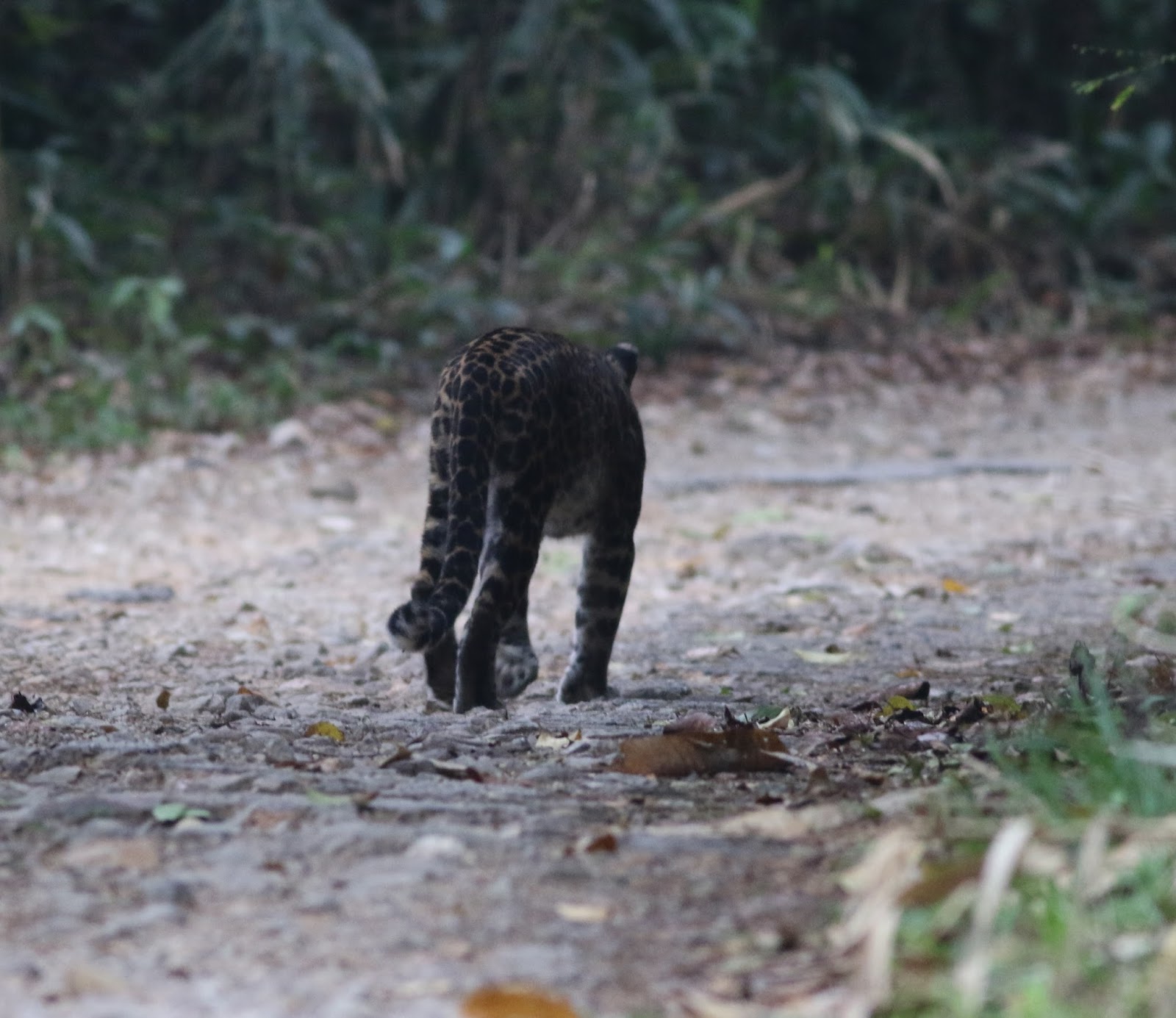
Leopard (at one stage it was too close to photograph 6 feet)

Stripe Throated Bulbul

Streak Eared Bulbul

Red Junglefowl

Scaly Breasted Partridge

Greater Necklaced Laughingthrush

Racket Tailed Treepie

Black Naped Monarch

Black Naped Monarch

Puff Throated Babbler

Bar Backed Partridge

Saturday, 13 February 2016

Pak Thale / Laem Pak Bia Salt Pans

This was a brilliant place for wading birds and to see so many was mind blowing. The landscape was pretty special too and one I will never forget.


 Great to see Black Winged Stilts so close .

 Also loads of Marsh Sandpiper.
I was surprised to see how many Feral Dogs were there but they still like human company. He was lying by our feet and we almost fell over him a couple times. A shame to see so many cracking dogs living on the streets. This Collarded Kingfisher was hiding under a shelter from the heat and boy was it hot.